
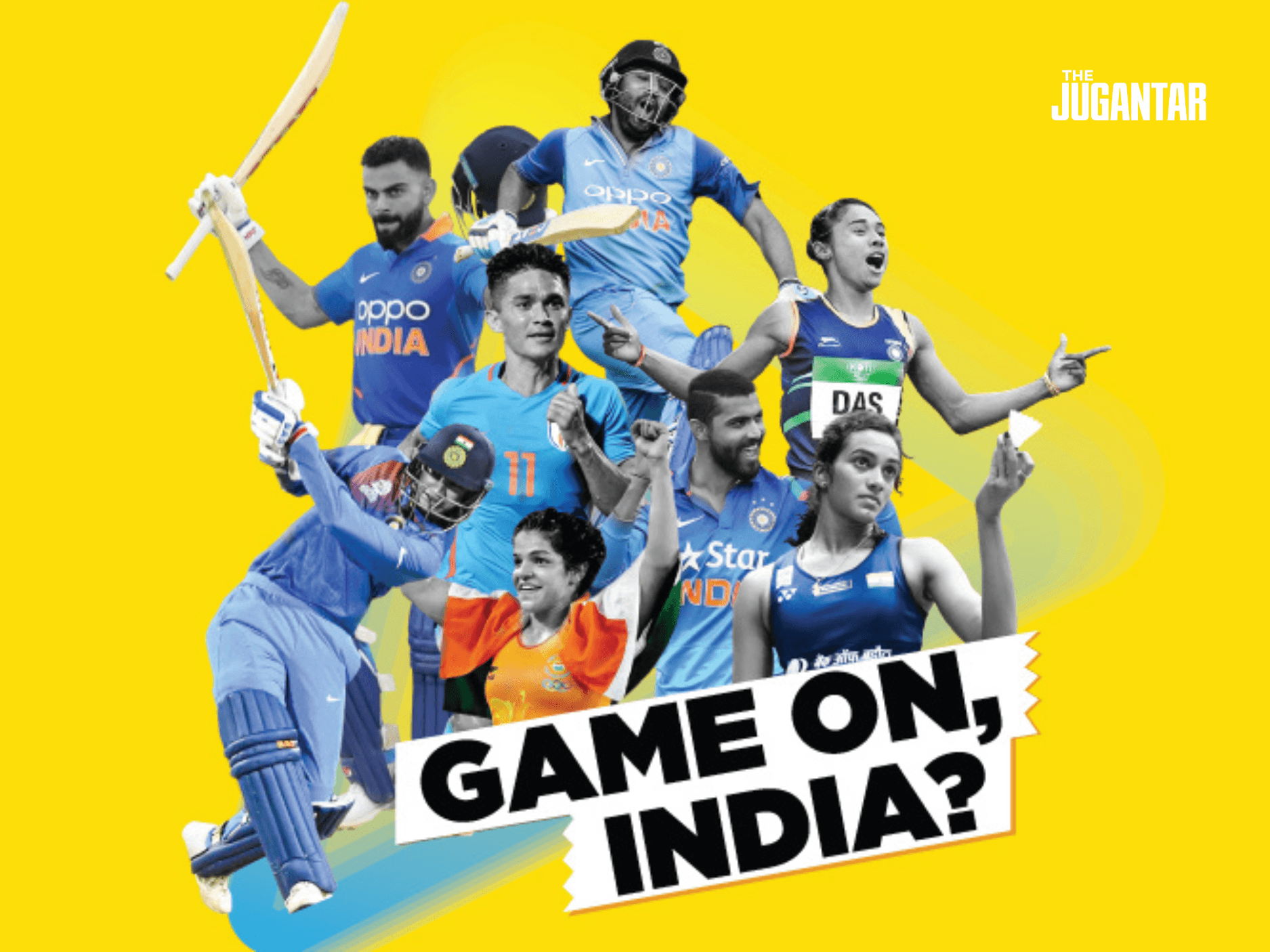
For generations, India’s sporting identity has been synonymous with cricket. Stadiums filled for bilateral series. Broadcast rights soared. Corporate sponsorship followed the bat.
In 2026, that hierarchy is being tested.
India’s Olympic ambitions have moved from rhetorical aspiration to structured investment strategy. Wrestling, boxing, badminton, athletics and shooting now command sustained funding and institutional attention. The objective is no longer sporadic podium finishes, but systemic competitiveness.
The transition reflects both demographic scale and political calculation.
Institutional Reform and Investment
Olympic success requires infrastructure beyond individual talent. Training academies, sports science support, international exposure and transparent selection processes are essential.
India has expanded high-performance centres and invested in sports medicine and analytics. Private academies, often supported by corporate foundations, complement state-led initiatives. Public-private collaboration has become central to athlete development.
Targeted funding models now allocate resources to medal-probable disciplines rather than dispersing support evenly.
Efficiency, rather than symbolism, defines strategy.
The Demographic Advantage
With one of the world’s youngest populations, India possesses an enormous athletic base. The challenge lies in identification and cultivation.
Grassroots programmes increasingly scout talent in rural and semi-urban regions. Wrestling and boxing academies in Haryana, shooting ranges in central India and badminton training hubs in Hyderabad illustrate decentralised development.
Urbanisation also reshapes participation. As disposable incomes rise, access to structured sports training improves.
Demography offers scale. Systems must convert it into excellence.
International Exposure
Elite athletes require global competition to sharpen performance. India has expanded participation in international tournaments and training camps abroad. Exposure reduces psychological barriers and enhances tactical maturity.
Coaches with international experience are increasingly recruited. Data analytics informs performance evaluation.
Olympic ambition now aligns with professionalisation.
Infrastructure and Bid Politics
Discussions of hosting major sporting events periodically resurface. While infrastructure expansion for hosting carries prestige, it also involves substantial fiscal cost.
For now, India appears focused on performance rather than spectacle. Investment prioritises athlete preparation over stadium grandeur.
Long-term ambition may include hosting aspirations. But competitive credibility precedes diplomatic signalling.
Commercial Viability
Non-cricket sports historically struggled for sponsorship. That pattern is shifting. Olympic medalists command brand endorsements. Corporate leagues in badminton and wrestling have experimented with franchise models.
Media coverage remains uneven but has expanded through digital platforms. Social media allows athletes to build personal brands independent of broadcast cycles.
Commercial viability reinforces participation incentives.
Structural Constraints
Challenges persist. Governance disputes occasionally disrupt federations. Infrastructure quality varies across states. Access to training remains uneven.
Moreover, sustained Olympic success demands continuity across political cycles. Funding must survive electoral transitions.
Institutional maturity, not episodic enthusiasm, determines outcome.
Rebalancing National Identity
Sport shapes national identity. As India diversifies its athletic achievements, it broadens its international profile.
Cricket will remain dominant commercially. But Olympic ambition signals a more comprehensive sporting culture. Success across disciplines enhances soft power and domestic morale.
In 2026, India’s sporting strategy reflects structural evolution. Investment is disciplined. Talent pipelines are strengthening. Expectations are rising.
Beyond cricket lies a more diversified athletic future.
Previous
Next