
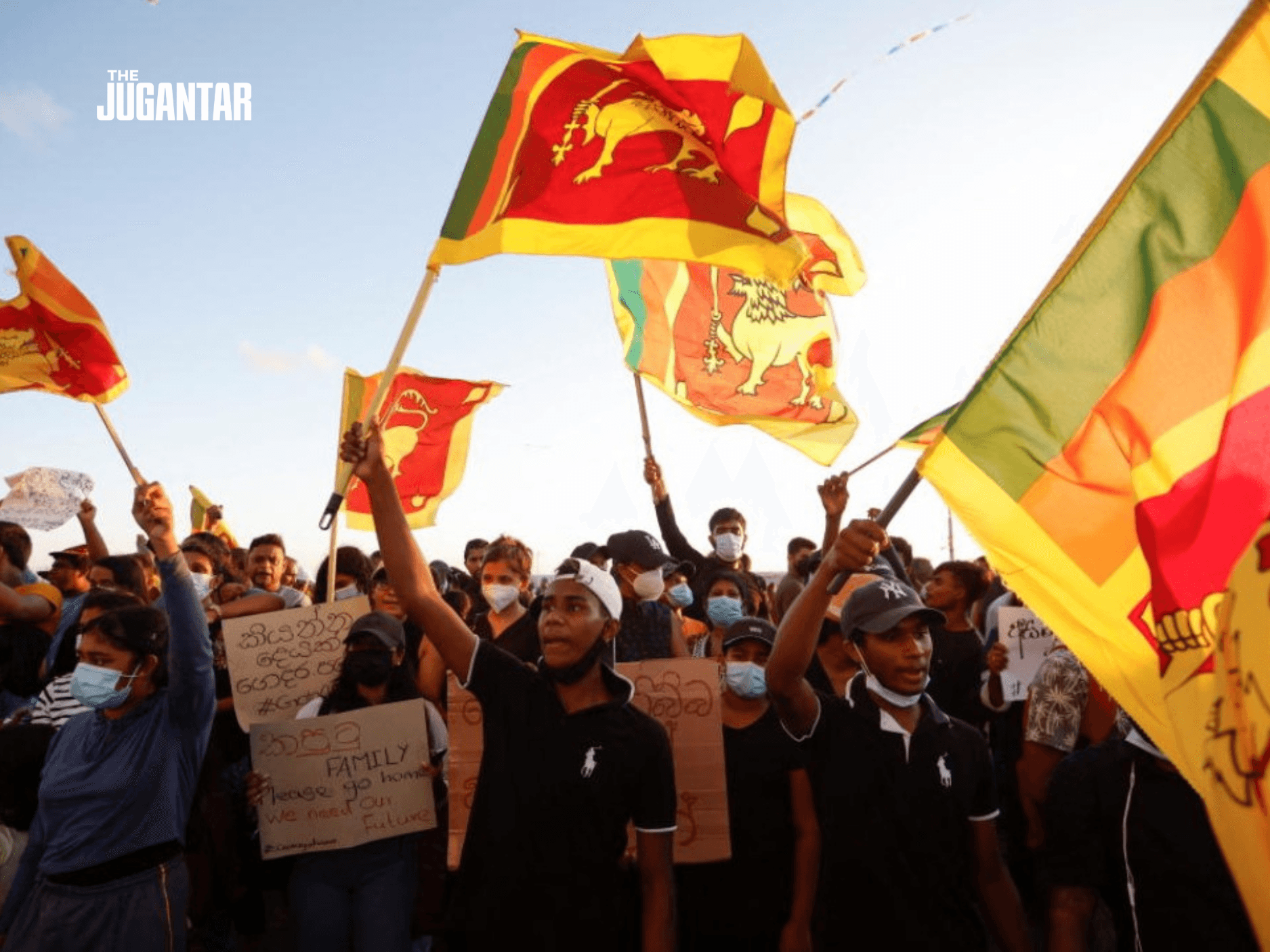
Few economies illustrate the fragility of macroeconomic confidence as starkly as Sri Lanka. The sovereign default of 2022 marked the culmination of fiscal mismanagement, external shocks and depleted reserves. Inflation surged. Essential imports stalled. Political unrest followed.
In 2026, the country stands in a different, though still precarious, position.
Sri Lanka is no longer in free fall. Under an IMF-supported programme, fiscal consolidation has begun to stabilise public finances. Debt restructuring negotiations have progressed. Tourism has returned gradually. Remittance inflows have improved. The exchange rate, though vulnerable, is more predictable than during the peak of crisis.
Stability, however, is not prosperity. The central question is whether reform can survive domestic fatigue.
Fiscal Repair and Social Cost
IMF programmes impose discipline. Sri Lanka’s reform path has included tax increases, subsidy reductions and tighter monetary policy. Inflation has moderated from crisis highs, but living costs remain elevated relative to pre-default conditions.
Fiscal consolidation requires revenue expansion. Tax-to-GDP ratios, historically low, have begun to rise. This is economically necessary but politically sensitive. Middle-class dissatisfaction and public sector pressures could complicate implementation.
Markets reward discipline. Voters reward relief. Balancing both is the government’s defining challenge.
Debt Restructuring and Credibility
Sri Lanka’s default reshaped its external reputation. Sovereign credibility, once lost, is difficult to restore.
Debt restructuring agreements with bilateral and private creditors are therefore central to the recovery narrative. Progress signals seriousness. Delays prolong uncertainty. Successful restructuring reduces financing costs and opens access to multilateral lending.
For smaller economies, credibility is amplified. Even marginal improvements in investor confidence can materially reduce borrowing spreads.
Sri Lanka’s leadership understands that perception is policy.
Tourism, Services and Diversification
Tourism has historically been a major foreign exchange earner. In 2026, visitor numbers are recovering, supported by currency adjustments that make the island more competitively priced.
Yet reliance on tourism alone cannot anchor long-term stability. Services exports, logistics and niche manufacturing must expand. Port infrastructure in Colombo remains strategically valuable within Indian Ocean trade routes. If managed efficiently, it can attract regional transshipment traffic.
Diversification is less dramatic than crisis, but far more consequential.
Political Stability and Reform Durability
Economic recovery depends on political endurance.
Public discontent during the crisis demonstrated that macroeconomic failure translates rapidly into political upheaval. Reform fatigue poses a similar risk. If austerity measures are perceived as permanent rather than transitional, resistance could intensify.
The government’s ability to communicate a credible medium-term vision will determine reform durability. Transparency, anti-corruption enforcement and equitable burden-sharing can reinforce legitimacy.
Institutional strength, rather than personality politics, will define sustainability.
Regional Context
Sri Lanka’s recovery does not occur in isolation. India has provided financial assistance and currency support. China remains a significant creditor and infrastructure partner. Multilateral institutions coordinate oversight.
This external engagement underscores Sri Lanka’s strategic position in the Indian Ocean. Its ports and shipping lanes remain geopolitically significant. Stability therefore carries regional implications.
A stable Sri Lanka reduces volatility in South Asia’s maritime corridor. An unstable one invites external competition and strategic friction.
From Crisis to Caution
Sri Lanka’s economic contraction was dramatic. Its recovery is cautious.
Growth projections for 2026 remain modest relative to pre-crisis peaks. Household consumption has not fully rebounded. Public debt levels remain elevated. Yet the trajectory has shifted from contraction to consolidation.
That shift matters.
Default need not define a decade. With disciplined reform and political resilience, Sri Lanka could transform crisis into recalibration.
The island’s experience offers a broader lesson for South Asia: credibility, once tested, can be rebuilt. But it demands patience, discipline and political restraint.
Sri Lanka has taken the first steps. The next phase will determine whether recovery becomes renewal.
Previous
Next